

The ONLY Self Publishing Plan New Authors Should Follow in 2026

New authors don’t fail because they lack talent.
They fail because nobody hands them a clear publishing plan built for the world they’re entering in 2026 a world crowded with books, shortcuts, noise, and outdated advice recycled from a decade ago.
If this is your first book, you don’t need 50 steps.
You need one clean, realistic, modern plan that actually works.
The 2026 Landscape
Self publishing is no longer the scrappy underdog space it used to be. It’s a mature industry with real competition, rising standards, and readers who judge a book in three seconds. Most new authors walk in blind. They follow random YouTube tutorials, outdated Facebook group advice, or whatever template came with their writing software. The result is predictable: weak covers, messy interiors, poor metadata, and a launch strategy that collapses the moment the book goes live.
The truth is simple.
Writing is not the hard part anymore.
Navigating the publishing environment is.
In 2026, three forces shape whether a book succeeds:
1. Design expectations are higher than ever.
Readers compare indie books to Penguin Random House, not other beginners. If the cover looks amateur, the book loses before it even enters the arena.
2. Algorithms decide visibility.
KDP and IngramSpark don’t promote books because they’re good. They promote books that are positioned, categorized, and optimized correctly.
3. Readers buy the author as much as the book.
A book is a product, but the author is the brand. When both are misaligned, the market shrugs and moves on.
Most failures come down to one thing.
New authors try to publish using a plan that doesn’t fit the industry they’re walking into.
The solution is a clean, modern publishing sequence designed specifically for 2026.
And that starts with the foundation.
Step 1: The Foundation
Before writing a single chapter, you need clarity.
This is where most first-time authors lose months, sometimes years. They start drafting without understanding who they’re writing for, what problem they’re solving, or what outcome the reader expects. Without a foundation, the book becomes a collection of thoughts instead of a structured experience.
Your foundation answers five questions.
1. Who is the reader?
Not a demographic. A specific person with a specific need.
2. What problem are they facing?
Fiction or nonfiction, every book solves something: confusion, boredom, heartbreak, lack of knowledge, lack of escape.
3. What transformation does your book promise?
By the last page, what changes for the reader?
4. Why are you the right person to write this?
Credibility matters more than ever.
5. Why this book, right now?
Market relevance is not optional.
Here is a simple, repeatable template you can use before drafting:
Audience
Describe one clear reader profile.
Problem
Name the tension, confusion, desire, or gap the book resolves.
Transformation
Define what the reader gains by the end.
Why Me
Clarify your angle, experience, or story.
Why Now
State what makes this moment the right time.
Once this foundation is in place, you don’t write aimlessly.
You write with precision.
And precision is what separates amateur books from publishable books.
The next step is writing a clean, structured draft.
Step 2: Write a Clean, Structured Draft
Most beginners complicate this stage. They chase inspiration, rewrite every paragraph as they go, switch tools five times, and end up with a draft that feels scattered and heavy.
A clean draft is not about beauty. It’s about structure.
Structure makes revision easier, design cleaner, and publishing faster.
Here’s how to write in a way that sets you up for success.
1. Start with a simple outline.
Not a 20-page planning document.
Just a logical flow of ideas that takes the reader from confusion to clarity.
2. Write chapters with one purpose each.
Every chapter should do one job.
If it tries to do three, the reader gets lost.
3. Don’t edit while writing.
Editing during drafting is the fastest way to kill momentum.
Get the clay on the table. Shape it later.
4. Keep your sentences commercial, not academic.
Readers buy clarity.
Long, complex writing doesn’t impress anyone in 2026. It repels.
5. Protect your writing time.
Even 30 minutes a day builds a book.
Waiting for “the perfect moment” builds nothing.
Use this chapter template to stay consistent:
CHAPTER GOAL
What outcome does this chapter deliver?
KEY POINTS
The 3–5 ideas the reader must understand.
EXAMPLES
Stories, illustrations, or demonstrations.
READER TAKEAWAY
One clear message they leave with.
If you follow this structure, your draft becomes predictable, clean, and easy to refine.
Most importantly, it becomes publishable.
When the draft is ready, the next step is where the book wins or loses:
building professional assets.
Step 3: Build Professional Assets
This is the stage where most first-time authors unintentionally sabotage their book. They write a solid draft but package it in visuals that look amateur. In 2026, presentation is not decoration. It’s positioning. Readers judge the credibility of a book the same way they judge any product: by how it looks before they ever read a word.
Your book needs professional assets in five areas.
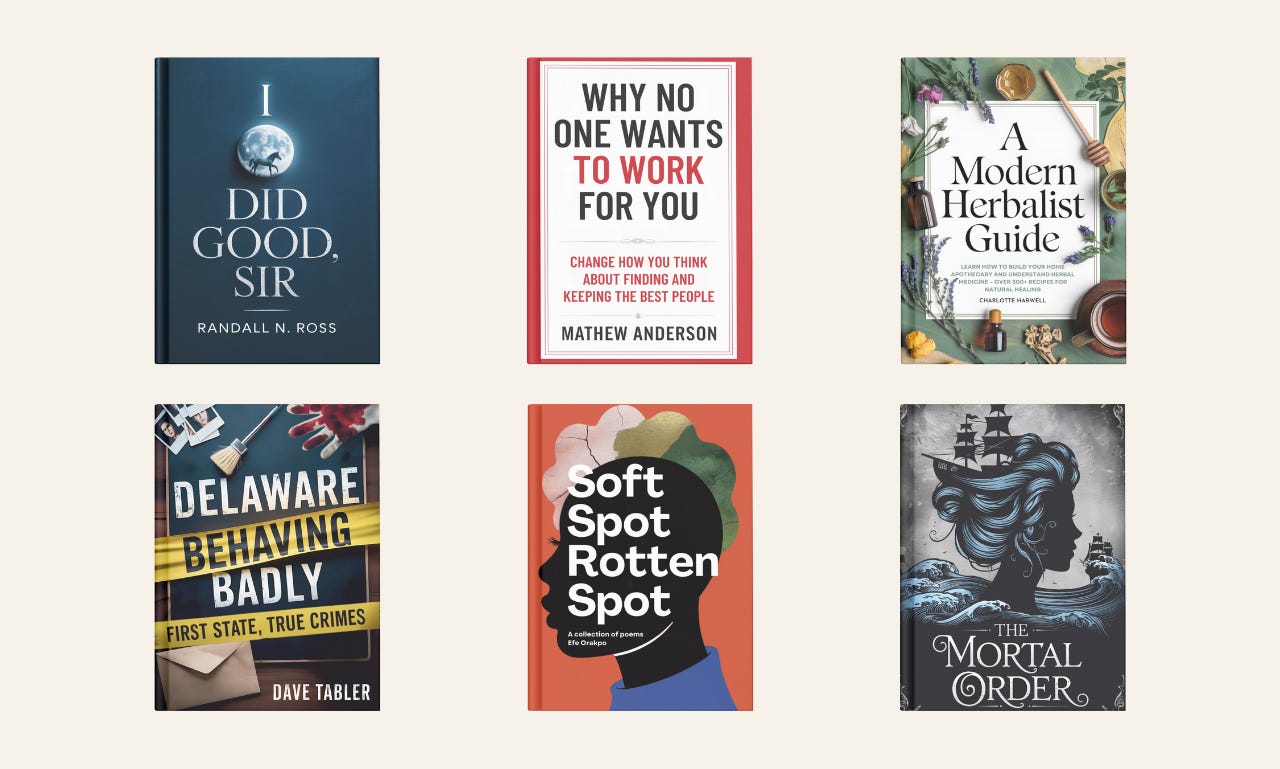
1. The Cover
This is your primary sales tool. At thumbnail size, it must:
communicate genre
create a focal point
use clean, readable typography
feel modern and intentional
hold up against traditionally published titles
If the cover doesn’t look competitive, the book never leaves the shelf.
2. Typography
Readers may not know fonts by name, but they instantly feel when something looks off.
Good typography creates trust.
Bad typography screams “self published.”
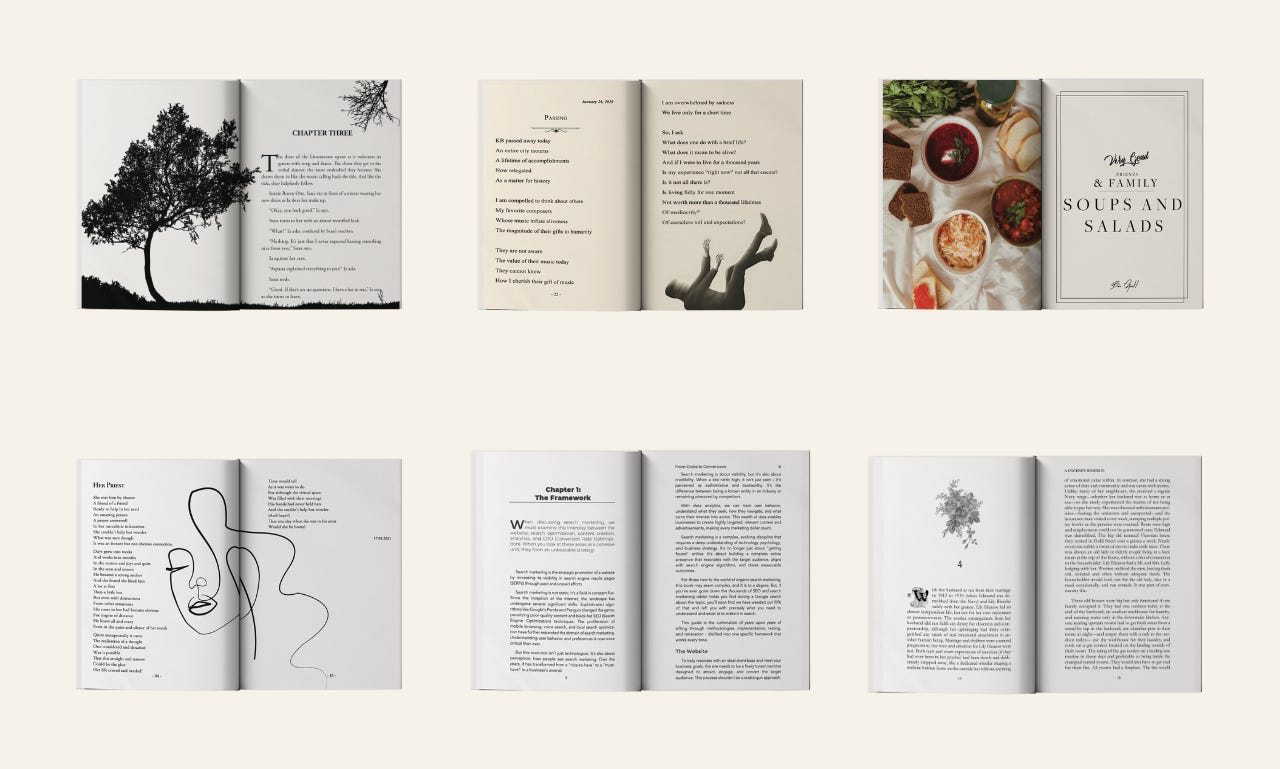
3. Interior Layout
Margins, spacing, alignment, headers, page numbers, chapter openers, ornaments.
These details determine whether the book feels professional or rushed.
4. Author Branding
Your bio, author photo, tone of voice, and tagline must align.
A confused brand creates a confused reader.
5. Back Cover Messaging
This is your last chance to convert a potential reader.
You need:
a tight summary
social proof (if available)
clean hierarchy
a strong hook
intentional spacing
Use this Design Checklist before moving to file preparation:
COVER
[✓] Strong focal point
[✓] Title readable at thumbnail
[✓] Clean font pairing
[✓] Professional color palette
[✓] No AI distortions
[✓] Genre-appropriate style
[✓] Consistent with future books
INTERIOR
[✓] Proper margins
[✓] Clean line spacing
[✓] Professional fonts
[✓] Consistent styling
[✓] Structured chapter openers
BRANDING
[✓] Cohesive author identity
[✓] Strong bio
[✓] High-quality author photo
A book that looks professional is treated as professional.
A book that looks self-made is treated as an experiment.
Once your assets are polished, you’re ready for the next stage: preparing your publishing files.
Step 4: Prepare Your Publishing Files
This is where beginners feel the most overwhelm. Platforms, file types, ISBNs, margins, bleed, keywords. In reality, preparing publishing files becomes simple once you understand the sequence.
Here is the clean and modern approach that works in 2026.
1. Format your manuscript intentionally
Avoid random fonts and default Word spacing. Stick to industry-safe choices:
Serif for print: Cardo, Garamond, Minion
Sans-serif for headings: Inter, Lato, Source Sans
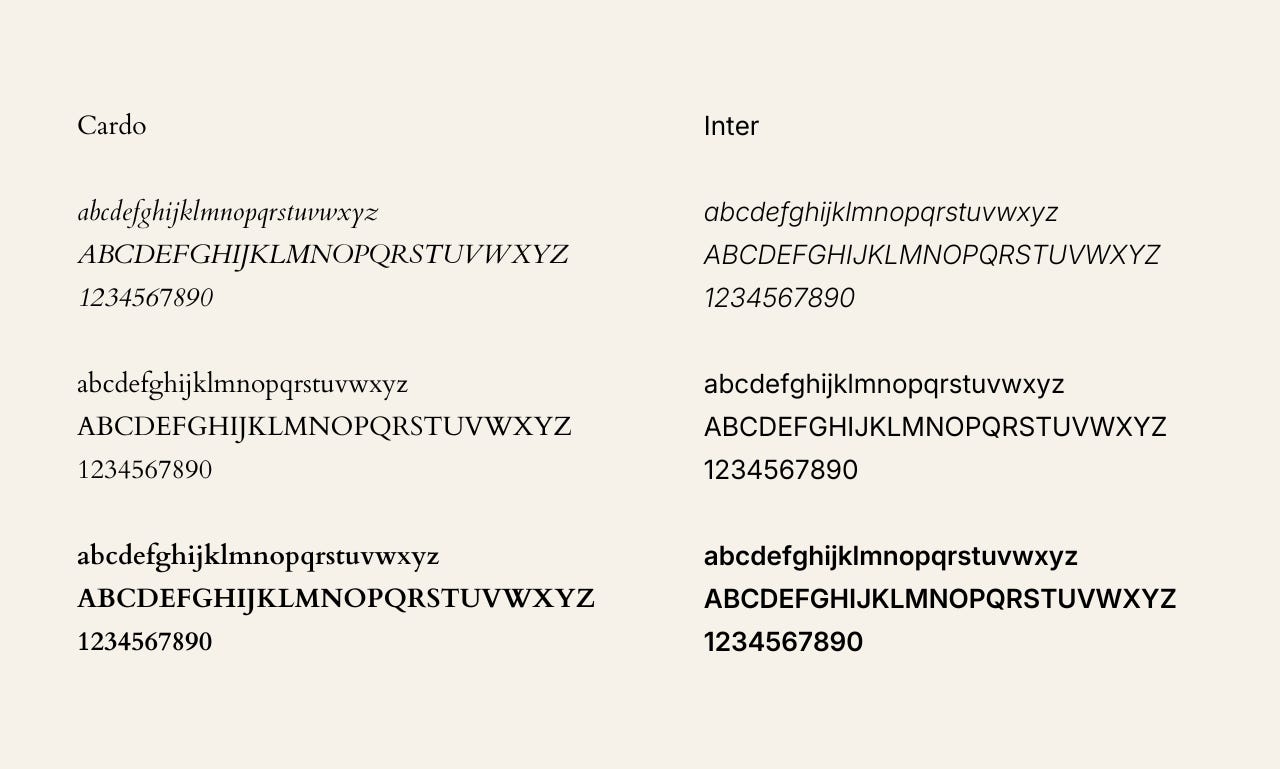
Core formatting rules:
11 to 12 pt body text
1.15 to 1.3 line spacing
0.75 to 0.9 inch margins
First-line paragraph indents
Consistent header styling
A clean manuscript reduces 90 percent of design errors later.
2. Prepare the print PDF
This is the file most authors get wrong.
Checklist:
Correct trim size
Correct bleed settings
Embedded fonts
High-resolution graphics
Page numbers and running headers
No hidden sections or duplicate blank pages
Small errors here can cause KDP or IngramSpark to reject your file.
3. Convert your ebook properly
Avoid exporting messy EPUBs from Word or Google Docs.
Use tools like Reedsy Book Editor, Scrinver, or Draft2Digital for clean output.
4. Make clear ISBN decisions
If you want full publishing control: buy your own ISBNs.
If your goal is speed and simplicity: use KDP’s free ISBN for print only.
5. Master metadata
This is the silent engine of book discovery.
You need:
a strong subtitle
a clear description with hierarchy
7 optimized keywords
correct BISAC categories
a consistent author name format
a competitive price
Metadata mistakes destroy visibility more than bad covers.
6. Choose your publishing path
The modern approach:
Option A: KDP only
Option B: KDP + IngramSpark
Option C: Draft2Digital for ebook distribution
What to do first?
Publish on KDP for initial reach.
Then expand to IngramSpark for bookstores and libraries.
This hybrid model gives you both discoverability and distribution.
Once your files are correct, you move into the phase that determines your launch success:
your early marketing foundation.
Step 5: Build Your Launch Foundations
Most authors publish and then start thinking about marketing. That’s the root of 90 percent of failed launches. Visibility isn’t created on launch day. It’s created in the quiet weeks before your book goes live.
Here’s the modern blueprint for 2026.
1. Capture early readers before anything else
Your email list is your launch engine. Even 30 subscribers make a difference.
Set up a simple landing page. Offer:
a sample chapter
a behind-the-scenes update
a book teaser
If you want a fast, easy setup, DreamHost paired with WordPress is the most flexible option.
2. Create 3 to 5 marketing assets ahead of time
You’ll need:
a clean 3D mockup of the book
2–3 short excerpts or quotes
one “cover reveal” graphic
1–2 author photos or brand visuals
These assets reduce stress during launch week.
3. Build a pre-launch content system
Consistent content warms the audience.
Post 7–14 times per week for 4–6 weeks:
short insights from the book
writing updates
lessons learned
quotes
snippets
behind-the-scenes visuals
This isn’t “marketing.”
It’s priming.
4. Use a soft-launch checklist
Before going fully live:
order a proof copy
check paper quality
verify spine alignment
preview ebook on Kindle devices
finalize the description
check metadata one last time
prepare launch posts
Proof copies protect you from publicly visible errors.
5. Build a minimal author hub
A simple one-page site or landing page helps you:
centralize links
build SEO
provide updates
collect emails
showcase your book
This is optional, but it will significantly improve your long-term odds. Tools like DreamHost, Elementor, or Payhip make this efficient for beginners.
The key here is simple:
If your foundations are weak, your launch collapses.
If your foundations are stable, your launch accelerates.
Next comes the step new authors rush past:
publishing smart, not fast.
Step 6: Publish Smart, Not Fast
This is where impatience ruins good books. New authors hit “publish” the moment their files upload successfully, assuming the platform will magically take care of the rest. In reality, publishing is a controlled release, not a panic button.
Here’s the disciplined approach that protects your book and positions it for long-term success.
1. Order and review a print proof
Never skip this. Even the cleanest PDFs can shift once printed.
Check for:
unexpected line breaks
margin drift
washed-out images
spine misalignment
uneven blacks or ink density
cropping issues on full-bleed pages
This single step prevents embarrassments that stay permanently on Amazon.
2. Review your ebook on multiple devices
Don’t trust the previewer alone.
Test on a phone, tablet, and desktop if possible.
Look for:
odd spacing
broken paragraph styles
missing indents
stray fonts
inconsistent TOC levels
An ebook that reads cleanly boosts reviews and reduces refunds.
3. Avoid launching on the same day everywhere
KDP updates faster than IngramSpark.
Let Amazon settle first.
Then activate IngramSpark for paperback or hardback.
This staggered approach prevents metadata conflict, price mismatches, and listing duplication.
4. Optimize your product page before going public
Fix it now, not after launch.
Check:
Title, subtitle, series name
Clean, structured description (bolding, hierarchy, paragraph breaks)
Seven optimized keywords
BISAC categories that match reader intent
Correct author name formatting
Competitive price
This is the “silent sales page” that works without your presence.
5. Prepare your first-week actions in advance
Once the book goes live, your job is not to panic-post everywhere.
Your job is to execute a calm, structured plan:
Announce to your email list
Post your prebuilt visuals
Share a short behind-the-scenes note
Ask early readers for honest reviews
Update your website and social bios
Track traffic and fix leaks (if any)
Publishing slow doesn’t delay success.
Publishing blindly delays credibility.
You’re not racing other authors.
You’re building a product that represents your name.
Now you’re ready for the last stage of the plan: sustaining your book beyond launch week.
Step 7: Sustain the Book After Launch
Most new authors disappear once their book goes live. They assume the launch is the finish line. In reality, it’s the beginning of the book’s lifespan. Momentum is built after launch, not before it.
If you want your book to keep selling, here’s the sustainable approach.
1. Month 1: Stabilize the Book
Your goal isn’t explosive sales.
It’s stability.
Focus on:
fixing metadata based on early feedback
smoothing your description
adjusting your categories
gathering honest reviews
posting 1–2 simple updates weekly
monitoring print quality and delivery issues
Small corrections here compound drastically.
2. Months 2–3: Build Repeatable Visibility
This phase is where your book becomes a steady earner.
Use a simple weekly rhythm:
one short insight on social media
one excerpt or quote
one visual (mockup, photo, annotation)
one subtle reminder about the book’s purpose
You’re not selling constantly.
You’re staying present.
3. Build evergreen content around your book
This is where your book becomes part of your brand instead of a one-time event.
Create:
a few educational posts
a story about writing the book
a problem your book solves
a myth it corrects
All of these create natural pathways back to your Amazon page.
4. Leverage your book for long-term growth
Your book becomes:
a lead generator
a trust builder
a portfolio piece
a gateway to your services
a traffic driver to your free tools
Create a soft CTA in your bio, your site, or your email signature.
5. Extend the ecosystem
Once the book is stable, add small assets:
a free chapter PDF
a checklist
a workbook
a video explanation
a companion article
These deepen the reader experience and keep your book relevant.
The authors who succeed long-term understand one thing:
books that survive are books that stay alive in public.
With this, you now have the complete 2026 publishing plan.
The One-Page 2026 Publishing Plan
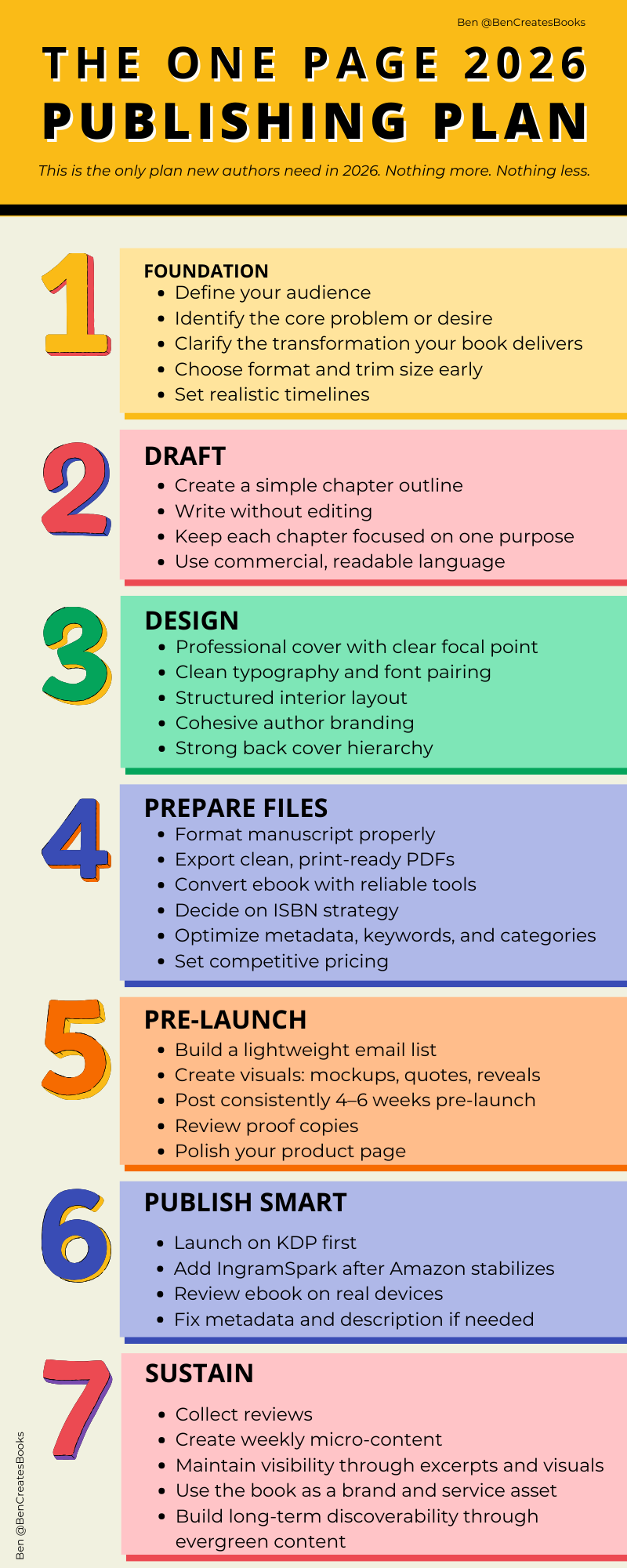
1. Foundation
Define your audience
Identify the core problem or desire
Clarify the transformation your book delivers
Choose format and trim size early
Set realistic timelines
2. Draft
Create a simple chapter outline
Write without editing
Keep each chapter focused on one purpose
Use commercial, readable language
3. Design
Professional cover with clear focal point
Clean typography and font pairing
Structured interior layout
Cohesive author branding
Strong back cover hierarchy
4. Prepare Files
Format manuscript properly
Export clean, print-ready PDFs
Convert ebook with reliable tools
Decide on ISBN strategy
Optimize metadata, keywords, and BISAC categories
Set competitive pricing
5. Pre-Launch
Build a lightweight email list
Create visuals: mockups, quotes, reveals
Post consistently 4–6 weeks pre-launch
Review proof copies
Polish your product page
6. Publish Smart
Launch on KDP first
Add IngramSpark after Amazon stabilizes
Review ebook on real devices
Fix metadata and description if needed
7. Sustain
Collect reviews
Create weekly micro-content
Maintain visibility through excerpts and visuals
Use the book as a brand and service asset
Build long-term discoverability through evergreen content
This is the only plan new authors need in 2026. Nothing more. Nothing less.
Next: the advanced insight that positions you above beginner advice and frames your perspective as a premium consultant.
Advanced Insight
Most beginners think publishing is a creative act. It isn’t.
Publishing is an operational discipline disguised as creativity.
This is why talented writers still fail and average writers with strong systems often succeed.
Traditional publishers don’t rely on hope, inspiration, or momentum.
They rely on sequence.
They think in terms of:
positioning
product-market fit
asset quality
format economics
category hierarchy
long-term discoverability
Indie authors often think in terms of:
“Is my book good enough?”
“Will people like it?”
“How do I get more sales?”
Different questions. Different results.
The moment you shift from writer mindset to publisher mindset, everything stabilizes.
You stop guessing.
You stop rushing.
You stop panicking over every tiny launch outcome.
A publisher understands:
A book is a product.
A cover is a conversion tool.
Metadata is a visibility engine.
Consistency beats hype.
Long-term presence beats short-term noise.
You win in this space by operating like a small publishing house, not a hopeful creative pressing upload.
This is the difference between authors who publish a book
and authors who build a career.
If you want to publish a professional and competitive book in 2026, this Substack will walk you through the process biweekly.
No noise. No recycled advice. Just the systems that actually work in today’s publishing environment.
I also build the tools, templates, and services that make this journey easier:
free book design and publishing tools
author website frameworks
ISBN and metadata utilities
writing and branding resources
professional design and publishing services for authors who want a premium finish
If you’re serious about publishing well, follow this Substack and stay with TheInkwell Insider. The next issues will break down the craft, design, marketing, and business frameworks every author should know.